
Top Walleye Fishing Tips You Need to Know
- B&D Custom Jigs & Tackle LLC.
- Dec 16, 2025
- 4 min read
Updated: Feb 9
Walleye fishing is one of those experiences that can be both thrilling and frustrating. You might spend hours on the water, waiting for that perfect bite. But with the right know-how, you can turn those long waits into steady catches. I’ve spent plenty of time chasing walleye, and I’m here to share some essential walleye fishing advice that’ll help you up your game. Whether you’re a beginner or have some experience, these tips will make your next trip more productive and fun.
Essential Walleye Fishing Advice: Getting Started Right
Before you even cast your line, it’s important to understand where walleye like to hang out. These fish prefer cooler, deeper waters during the day and move to shallower areas at dawn and dusk. Knowing this can save you a lot of time and frustration.
Look for structure: Walleye love hanging around rocks, weed edges, drop-offs, and submerged points. These spots offer cover and food.
Use your electronics: A fish finder can be a game-changer. It helps you locate schools of walleye and understand the underwater terrain.
Time your fishing: Early morning and late evening are prime times. Walleye are more active during low light conditions.
By focusing on these basics, you’ll set yourself up for success. Don’t just cast anywhere—target the spots where walleye are most likely to be.

How to Choose the Right Gear for Walleye Fishing
Having the right tackle makes a huge difference. Walleye aren’t the biggest fish, but they can be tricky to catch if your gear isn’t up to par.
Rods and reels: A medium-light to medium action rod around 6 to 7 feet long works well. Pair it with a smooth reel that has a good drag system.
Line: Use 6 to 10-pound test line. Fluorocarbon is great because it’s less visible underwater.
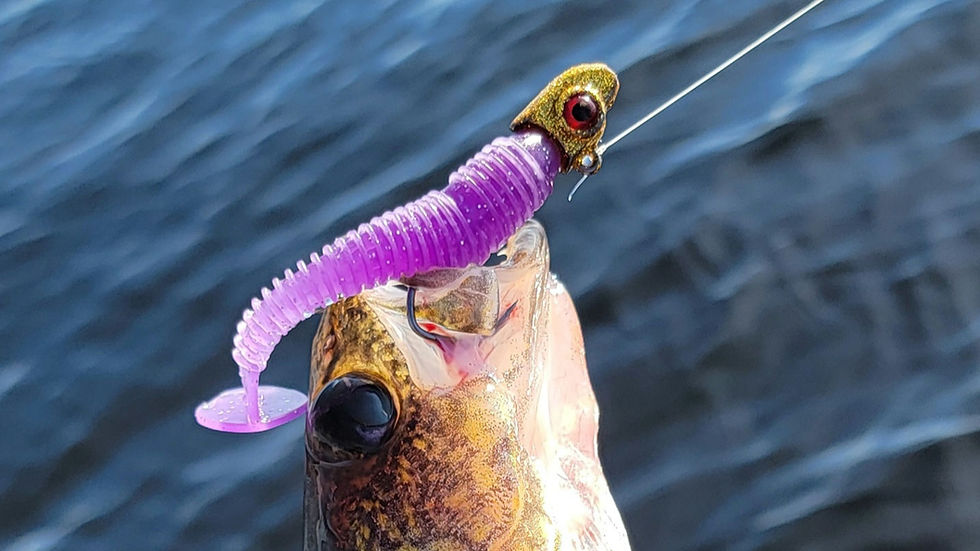
Jigs and lures: These are your bread and butter. You want something that mimics the natural prey of walleye.
Make sure your gear feels comfortable and balanced. You’ll be casting and retrieving a lot, so you want to avoid fatigue.

What is the Best Bait for Walleye?
When it comes to bait, walleye can be picky, but there are some go-to options that almost always work.
Live bait: Minnows, nightcrawlers, and leeches are classic choices. Minnows are especially effective when jigged near the bottom.
Soft plastics: Grubs, twister tails, and paddle tails in natural colors like white, chartreuse, or yellow can be deadly.
Jigs: A jig tipped with live bait or soft plastic is a versatile setup. Try different sizes and colors until you find what works.
One trick I like is to match the bait size to the forage in the water. If you see small baitfish, go smaller. If the baitfish are bigger, scale up your lure.
Tips for Reading the Water and Adjusting Your Technique
Walleye fishing isn’t just about gear and bait. You’ve got to read the water and adjust your approach based on conditions.
Water clarity: In clear water, use lighter lines and more natural colors. In murky water, brighter colors and heavier jigs help.
Depth: Use a depth finder to locate the thermocline or drop-offs. Walleye often hang right around these temperature breaks.
Retrieve speed: Vary your retrieve. Sometimes slow and steady works best; other times, a quick jig or twitch triggers strikes.
Weather: Overcast days can be great for walleye. They tend to be more active and spread out. On bright sunny days, focus on deeper or shaded areas.
Don’t be afraid to experiment. If one spot or technique isn’t working, move and try something new.
How to Handle and Release Walleye Properly
If you’re fishing catch and release, handling your walleye carefully is key to keeping them healthy.
Use wet hands or gloves: This protects the fish’s slime coat.
Minimize air time: Keep the fish in the water as much as possible.
Support the fish: Hold it horizontally and avoid squeezing.
Use barbless hooks or pinch the barbs: This makes hook removal easier and less damaging.
Taking a few extra seconds to handle your catch right helps preserve the fishery for future trips.
Advanced Techniques for Walleye Fishing
Once you’ve mastered the basics, it’s time to dive deeper into advanced techniques. These methods can help you catch more walleye and improve your overall fishing experience.
Trolling for Walleye
Trolling is an effective way to cover more water and locate walleye. Here’s how to do it:
Choose the right speed: A slow troll, around 1.5 to 2.5 mph, is often best for walleye.
Use planer boards: These help spread your lines out and cover a wider area.
Experiment with depths: Adjust your lures to different depths until you find where the fish are biting.
Night Fishing for Walleye
Fishing at night can be incredibly rewarding. Walleye are often more active after dark. Here are some tips:
Use lights: Attract baitfish with underwater lights. This can draw in walleye.
Focus on shallow areas: Walleye move into shallower waters at night to feed.
Be quiet: Noise can scare fish away. Keep your movements smooth and quiet.
Wrapping It Up: Keep Learning and Enjoying the Chase
Walleye fishing is a journey. You’ll learn something new every time you hit the water. Keep experimenting with different baits, spots, and techniques. And remember, the best way to improve is to get out there and fish.
If you want more detailed walleye fishing tips, check out the blog at B&D Custom Jigs & Tackle. They offer great advice and quality tackle that can really boost your success.
Happy fishing, and may your next walleye be your best yet!


Comments