
How to Successfully Catch Walleye
- B&D Custom Jigs & Tackle LLC.
- Dec 8, 2025
- 4 min read
Updated: Mar 3
Walleye Fishing: Tips and Tricks for Success
Walleye fishing is a blast. These fish are smart, sneaky, and put up a good fight. If you want to up your game, you gotta know the tricks. I’ve spent plenty of time on the water, learning what works and what doesn’t. Let’s dive into some solid tips that’ll help you land more walleye on your next trip.
Best Gear for Catching Walleye
First things first - your gear matters. Walleye aren’t just gonna bite any old lure or jig. You want tackle that’s sensitive enough to feel those light taps but strong enough to reel in a feisty fish.
Rods and Reels: Go for a medium-light to medium action rod, about 6 to 7 feet long. It gives you good control and sensitivity. Pair it with a smooth spinning reel that holds 6-10 lb test line.
Line: Use fluorocarbon or monofilament line in the 6-10 lb range. Fluorocarbon is great because it’s less visible underwater.
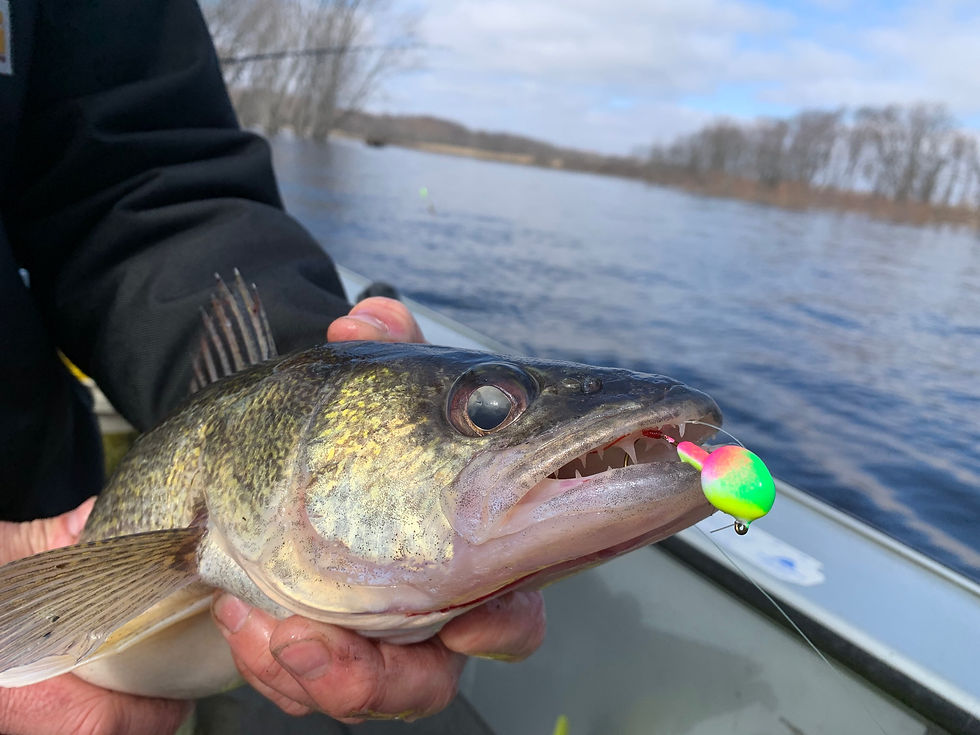
Jigs and Baits: This is where it gets fun. Walleye love jigs tipped with minnows or soft plastics. I highly recommend checking out B&D Custom Jigs & Tackle for quality jigs that really work. They have a great selection that’s perfect for walleye.
Catching Tips for Walleye That Actually Work
Now that you’ve got your gear, let’s talk about how to use it. Walleye can be tricky, but with the right approach, you’ll catch more fish.
Fish Low Light Hours: Walleye are most active during dawn, dusk, and overcast days. Plan your fishing trips around these times.
Use the Right Jigging Technique: Drop your jig to the bottom, then lift it slowly and let it fall. Walleye love that fluttering motion.
Target Structure: Look for rocky points, weed edges, drop-offs, and submerged logs. Walleye hang out near these spots waiting for food.
Vary Your Retrieve Speed: Sometimes slow and steady works best, other times a quick twitch will trigger a strike. Don’t be afraid to experiment.
Keep Your Line Tight: Walleye bites can be subtle. Keep your line tight so you feel every nibble.
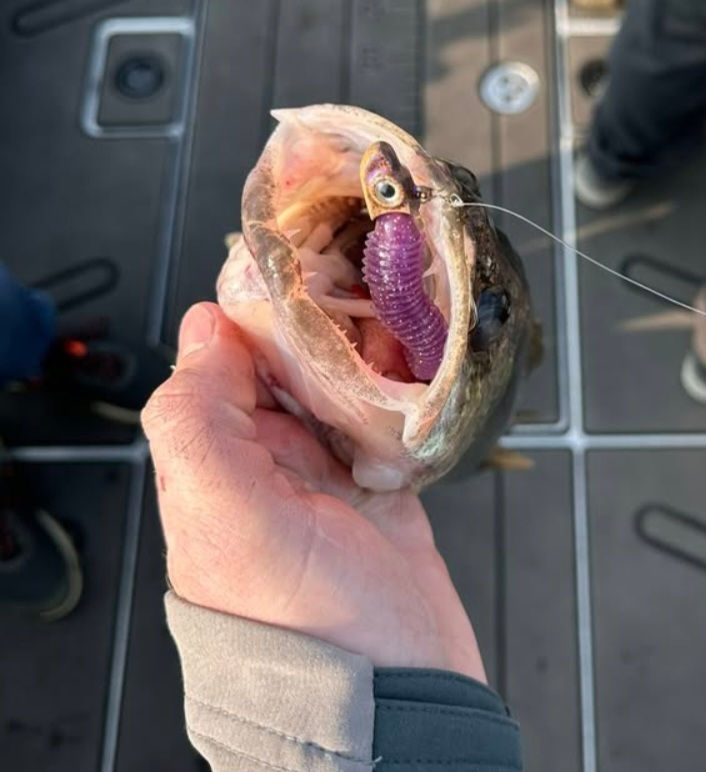
Jig and plastics work well when the water warms up a bit and the fish are more aggressive
What Triggers Walleye to Bite?
Understanding what makes walleye bite is key. These fish are mostly nocturnal feeders, so they rely on low light and cover to hunt.
Light Conditions: Walleye have excellent night vision. They prefer low light because it helps them sneak up on prey.
Water Temperature: They’re more active in cooler water, usually between 45-68°F. When the water warms up, they move deeper.
Food Availability: Walleye feed on minnows, crayfish, and insects. If you mimic their natural prey with your bait, you’ll get more bites.
Current and Water Clarity: Walleye like moderate current and slightly murky water. Too clear or too still, and they get cautious.
Knowing these triggers helps you pick the right time and place to fish. For example, if the water is clear and calm, try fishing near structure where walleye feel safe.
How to Choose the Right Bait and Lures
Picking the right bait can make or break your trip. Walleye aren’t too picky, but they do have favorites.
Live Bait: Minnows, nightcrawlers, and leeches are classic choices. Live bait works great on jigs or slip bobbers.
Soft Plastics: Grubs, twister tails, and paddle tails in natural colors like white, chartreuse, or yellow are winners.
Crankbaits and Spinnerbaits: Use these when you want to cover water fast. Small crankbaits that mimic baitfish are perfect.
Jigs: The go-to lure for walleye. Use a jig head with a soft plastic or live bait. Try different sizes from 1/16 oz to 1/4 oz depending on depth and current.
If you want to get serious, check out the B&D Custom Jigs & Tackle site. Their jigs are designed specifically for walleye and come in tons of colors and sizes.
Tips for Fishing Different Seasons
Walleye behavior changes with the seasons, so your tactics should too.
Spring
Walleye move shallow to spawn. Fish rocky shorelines and flats with jigs tipped with minnows. This is a great time to catch them as they are actively feeding.
Summer
They head deeper to cooler water. Use heavier jigs and fish drop-offs or deep points. During hot days, look for them in shaded areas.
Fall
Walleye feed aggressively to bulk up. Fish near structure with crankbaits or spinnerbaits. They are preparing for winter, so they’ll be more active.
Winter
Ice fishing calls for small jigs and live bait. Fish near underwater humps and channels. Patience is key during this time.
Adjust your gear and approach based on the season to stay on top of the bite.
Wrapping It Up: Get Out There and Fish!
Fishing for walleye is all about patience, practice, and the right gear. Use these tips to improve your chances and enjoy the thrill of the catch. Remember, the best way to learn is by getting out on the water and trying different techniques.
If you want to step up your game, don’t forget to check out B&D Custom Jigs & Tackle for top-notch tackle that’ll help you catch more walleye. Tight lines and happy fishing!
Additional Tips for Successful Walleye Fishing
Stay Informed
Keep an eye on local fishing reports. They can give you insights into where the fish are biting. You can also learn about the best times to fish in your area.
Join a Community
Connecting with other anglers can be beneficial. Share tips and experiences. You might learn new techniques or discover new fishing spots.
Practice Makes Perfect
The more time you spend on the water, the better you’ll get. Don’t be discouraged by slow days. Every trip is a chance to learn.
Safety First
Always wear a life jacket and follow local regulations. Safety should be your top priority while enjoying your fishing adventures.
With these tips in mind, you’re ready to tackle your next walleye fishing trip. Get out there, have fun, and enjoy the experience!


Comments