
Effective Walleye Techniques: The Best Techniques for Walleye Fishing
Walleye fishing is a blast, but it can be tricky if you don’t know the right moves. I’ve spent a lot of time on the water figuring out what works best. Today, I want to share some of the most effective walleye techniques that will help you catch more fish and enjoy your time out there. Whether you’re a beginner or have some experience, these tips will make a difference.
Understanding Effective Walleye Techniques
Before we dive into specific methods, it’s important to understand what makes a technique effective for walleye. These fish are known for being a bit shy and mostly active during low light conditions like dawn, dusk, or cloudy days. They hang around structures like rocks, weed edges, and drop-offs. Knowing this helps us pick the right gear and approach.
Here are some key points to keep in mind:
Walleye prefer cooler water temperatures.
They are mostly bottom feeders.
They respond well to subtle movements.
Light conditions affect their feeding behavior.
By focusing on these factors, you can tailor your fishing style to match what walleye want.
Top Effective Walleye Techniques You Should Try
Now, let’s get into the good stuff. These are some of the most popular and proven techniques that work well for walleye fishing.
Jigging
Jigging is a classic and super effective way to catch walleye. It involves using a weighted lure called a jig, which you bounce off the bottom to mimic injured prey. The key is to keep your movements slow and steady. Walleye don’t like fast action.
Tips for jigging:
Use jigs with soft plastic tails or live bait like minnows.
Fish near structures like rocks, submerged trees, or weed edges.
Try different jig colors depending on water clarity (bright colors in murky water, natural colors in clear water).
Keep your rod tip low and feel for subtle bites.
Trolling
Trolling is great when you want to cover a lot of water and find where the walleye are hanging out. You drag lures or live bait behind a slow-moving boat. This technique works well in lakes and reservoirs.
Trolling tips:
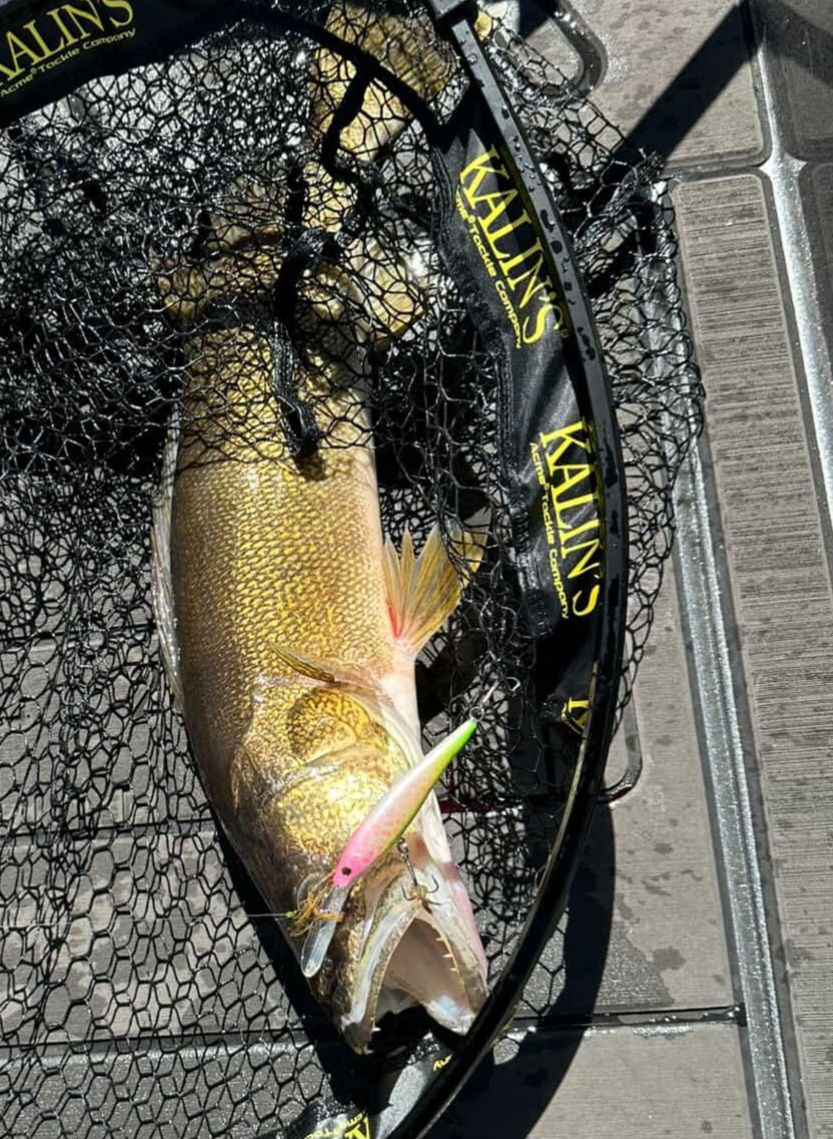
Use crankbaits or spinner rigs.
Keep your speed between 1.5 to 2.5 mph.
Focus on drop-offs, points, and underwater humps.
Vary your depth with different weights or downriggers.
Slip Bobber Fishing
Slip bobber fishing is perfect when you want to keep your bait at a specific depth. It’s especially useful in spring or fall when walleye suspend in the water column.
How to do it:
Attach a slip bobber to your line so you can adjust the depth easily.
Use live bait like leeches, minnows, or nightcrawlers.
Cast near weed edges or rocky areas.
Watch the bobber for any twitch or movement.
Bottom Bouncing
Bottom bouncing is a technique where you drag a weighted rig along the bottom while drifting or trolling slowly. It’s great for covering rocky or gravel bottoms where walleye like to feed.
Bottom bouncing tips:
Use a bottom bouncer rig with a spinner and live bait.
Keep your line tight to feel the bottom.
Drift along points, shorelines, or river channels.
Adjust your speed to keep the rig bouncing.

What is the best technique for walleye fishing?
Honestly, there’s no one-size-fits-all answer here. The best technique depends on the time of year, water conditions, and where you’re fishing. But if I had to pick one, jigging with live bait or soft plastics near structure is a solid go-to. It’s versatile and works in many situations.
That said, combining techniques often yields the best results. For example, start by trolling to locate fish, then switch to jigging once you find a good spot. Or use slip bobbers when fish are suspended off the bottom.
The key is to stay flexible and pay attention to what the fish are telling you. Change your approach if you’re not getting bites.
Gear and Tackle Tips for Walleye Success
Having the right gear makes a big difference. Here’s what I recommend for effective walleye fishing:
Rods: Medium-light to medium action rods around 6 to 7 feet long. They give you good sensitivity and control.
Reels: Spinning reels with smooth drag systems. Size 2500 to 3000 works well.
Line: Use 6 to 10 lb test monofilament or fluorocarbon. Fluorocarbon is great for clear water.
Jigs: Sizes 1/8 to 1/4 ounce are perfect. Match the color to water conditions.
Live bait: Minnows, leeches, and nightcrawlers are top choices.
Lures: Crankbaits, spinner rigs, and soft plastics designed for walleye.
Don’t forget to bring a good tackle box with extra hooks, weights, and swivels. Being prepared means you can quickly switch setups when needed.
Seasonal Strategies for Walleye Fishing
Walleye behavior changes with the seasons, so adjusting your techniques is smart.
Spring: Fish shallow waters near spawning grounds. Use slip bobbers with live bait or jigging.
Summer: Target deeper waters during the day. Trolling crankbaits or bottom bouncing works well.
Fall: Walleye move back to shallower areas. Jigging and slip bobber fishing near weed edges is effective.
Winter: Ice fishing with jigging and live bait is popular. Use smaller jigs and slow movements.
Knowing these seasonal patterns helps you plan your trips and pick the right gear.
Wrapping It Up: Keep It Simple and Have Fun
Walleye fishing doesn’t have to be complicated. Stick to these effective walleye techniques, and you’ll catch more fish without the hassle. Remember to be patient, try different methods, and enjoy the time on the water.
If you want to explore more about the best walleye fishing techniques, check out some trusted resources and keep learning. The more you know, the better your chances of landing that trophy walleye.
Tight lines and happy fishing!


Comments